Feature
The growing prevalence of airport premiumisation
Keri Allan looks into how airports are tailoring services for business and premium economy passengers.
While business travel has been lower post-pandemic, this shortfall has been picked up by premium leisure travellers, leading to a shift in the definition of premium travel. In the past, the term was largely used to define your class of travel as business or first class. Today, the idea of premium travel spans the whole journey, from airport services such as fast-track security and priority boarding, through to in-flight add-ons.
While this shift has happened gradually, the ‘premiumisation’ of air travel has been driven by travellers wanting a more personalised and convenient experience – and a willingness to pay extra for it.
According to the Airport Council International’s (ACI) 2024 Airport Service Quality (ASQ) Global Traveller Survey Report, nearly half of all travellers are open to this, reporting that premium experiences increased steadily from 33% in 2021 to 48% in 2024, while premium services jumped from 44% in 2023 to 49% in 2024.
Elevating travel from the ground up
Premium fast-track services are increasingly in demand, while another key trend being observed is that passengers will seek a suite of airport hospitality services throughout their airport journey. “They tend to bundle services like airport limousine, meet and greet, fast-track, personal shopping and lounge access based on their needs for each trip,” notes Jonathan Song, CCO, Plaza Premium Group (PPG).

People in lounges aren’t necessarily flying business; they’re just choosing to pay for that experience.
The rise of premiumisation can be seen particularly clearly in travellers’ approaches to airport lounges, with 18% of airport lounge users now paying directly for access, rather than receiving complimentary entry via an airline loyalty scheme or business or first-class ticket, according to airport lounge operator Airport Dimensions.
“People in lounges aren’t necessarily flying business; they’re just choosing to pay for that experience, and it’s something we’re seeing more and more,” says Becrom Basu, partner and head of Transport and Logistics, Europe at L.E.K. Consulting.
“In response to changing demand, we’re also seeing airlines change their seat layouts. Just last year, Emirates announced the reconfiguration of much of its long-haul fleet, switching some economy seats to premium economy, because that part of the market has been growing.”
This clearly shows that travellers want more comfort, convenience and exclusivity from their travel experiences, viewing airports and flights not just as means to an end, but places to relax and add a touch of luxury to their journey.
Smart airports, smarter services
Technology has been a big enabler of premium services and experiences, such as supporting a more seamless travel experience via biometrics and digital services. PPG, for example, has invested over $10m to fully digitalise its operations, and uses AI-powered predictive rostering, heat mapping, and robotics to improve operational efficiency and service quality.
“We’ve also recently introduced self-check-in kiosks in selected lounges to improve efficiency, and will soon be piloting an AI-powered Human Concierge in our lounge in Hong Kong. This will provide real-time information to better assist travellers. Overall, digital integration enhances our ability to deliver a connected, stress-free and seamless airport journey,” says Song.
Technology is also enabling airports to better tap into these growing revenue streams and maximise income. Catering to the growing demand for premium services and experiences requires a detailed understanding of travellers, and data gathered from users of airport parking, WiFi, and fast-track services, as well as biometric systems, enables operators to get a better sense of where people are spending their time and what services they’re partaking in.
"This enables them to be more intelligent about what they offer in terms of added value services,” points out Basu.
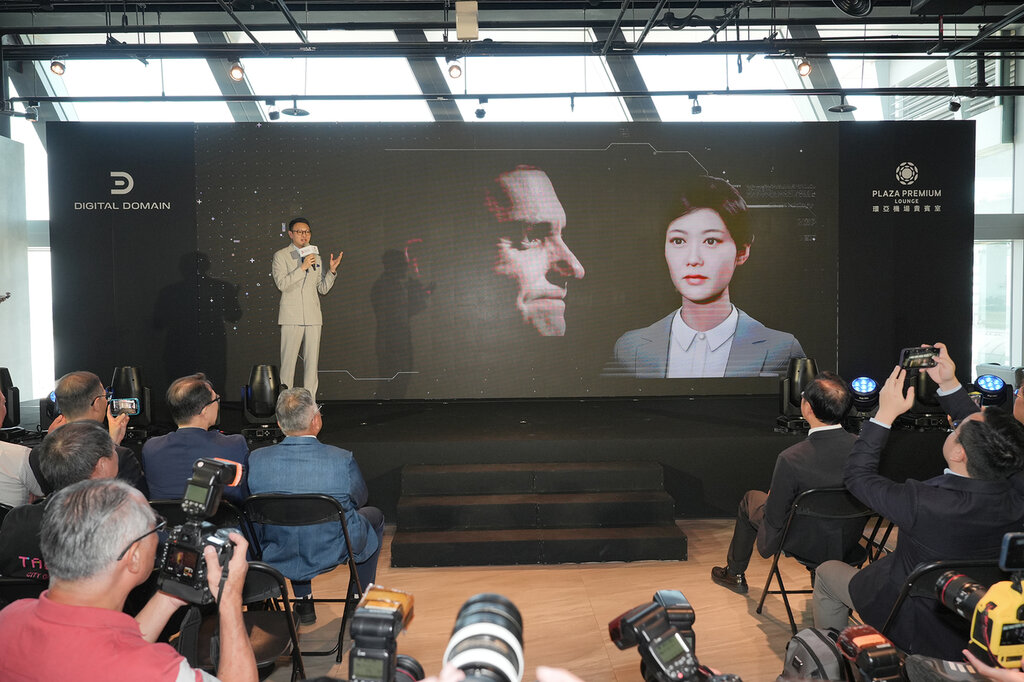
Daniel Seah, Digital Domain CEO, unveiling a first look at the AI assistant to be trialled at PPG lounges during a press event at Taoyuan International Airport in July 2024. Credit: Digital Domain
Airports becoming destinations
The concept of experiential travel is becoming ever more popular within the airport space, says Song, who’s noted a growing demand for curated, immersive experiences among travellers. In a sense, lounges are becoming destinations in their own right. In response, providers are creating multi-purpose spaces offering areas for relaxation, work, wellness and family time, with amenities like nap and massage rooms, children's play areas, bars and even art exhibitions.
Younger travellers, especially Gen Z, are strongly experience-driven.
“Younger travellers, especially Gen Z, are strongly experience-driven and our approach reflects this trend,” says Song. “Last year, we launched ‘Your Destination Before Departure’ to highlight local culture by transforming airport lounges into vibrant cultural hubs that preview the destination’s spirit through food, design and local experiences.
We’ve also just launched our ‘Chef Series’ campaign, spotlighting signature recipes from our homegrown chefs that pay homage to their roots.”
Taking things a step further, PPG also saw a gap in the market for ‘short-stay’ hotels, and in 2016 launched its first in-terminal hotel, Aerotel, in Singapore.
“We saw passengers sleeping on airport floors because they didn’t want to pay for a full night at a hotel when they only needed a couple of hours' rest, so we developed Aerotel. Offering flexible check-in, hourly bookings and location airside and landside, it’s become the world’s largest in-terminal transit hotel chain,” says Song.
Challenges and risks in premiumisation
One of the main risks of premiumisation is diluting exclusivity. Lounges that were once peaceful havens are in some cases becoming overcrowded, meaning the “lounge experience probably isn’t what it was a few years ago. It’s become a victim of its own success,” says Basu. “We’re seeing negative feedback in reviews, with sentiment analysis showing many who’ve been using lounges for a long period are not happy with this change.”
For those that do purchase premium add-ons, there’s also a risk of customer dissatisfaction if they don’t deliver value – for example, they purchase fast-track for security, but when they turn up on the day, find it wasn’t necessary because it’s quite empty.
As airports look to the future, the challenge will be balancing the expectations of existing high-value customers while opening up opportunities for a wider range of travellers.
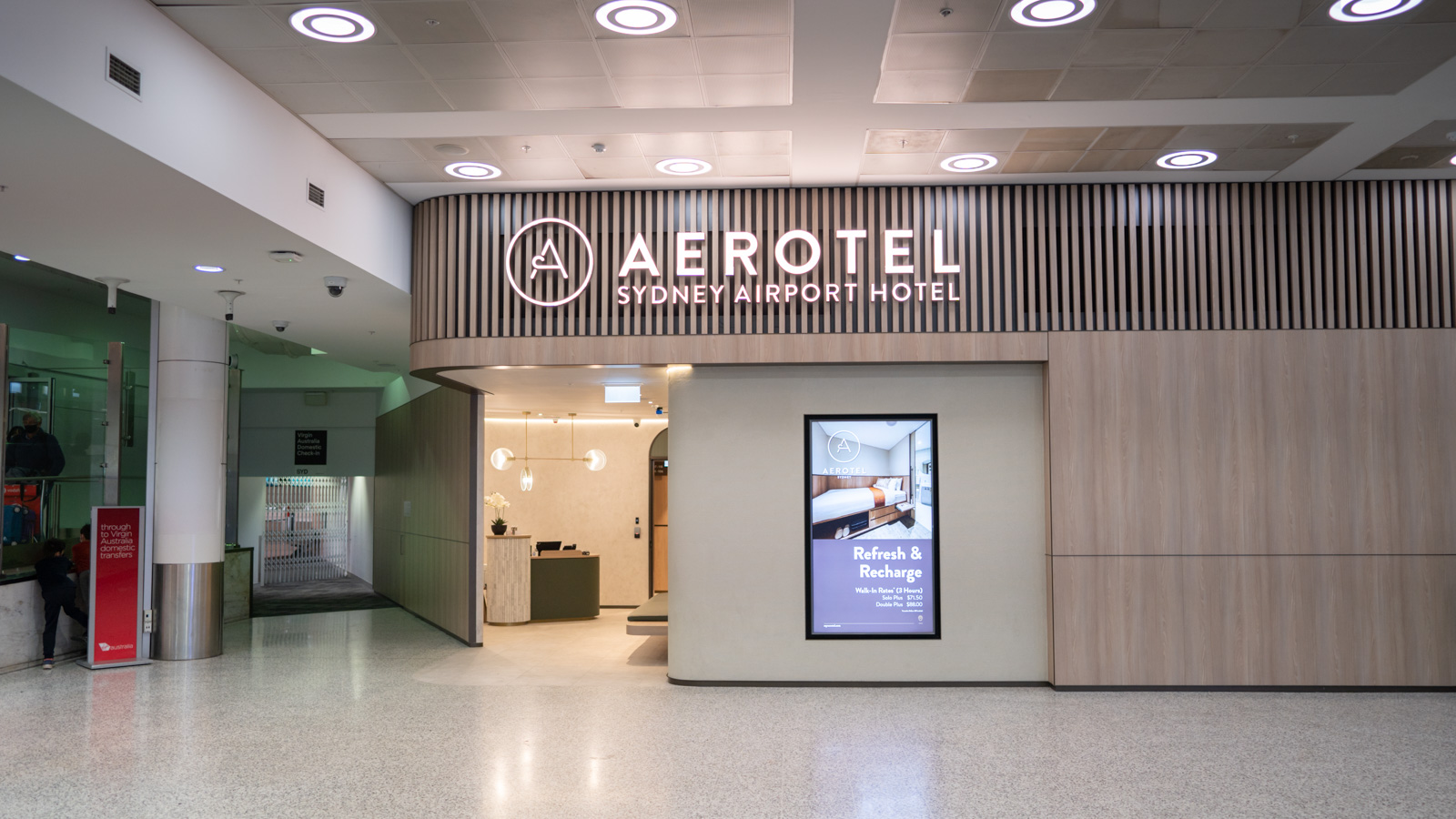
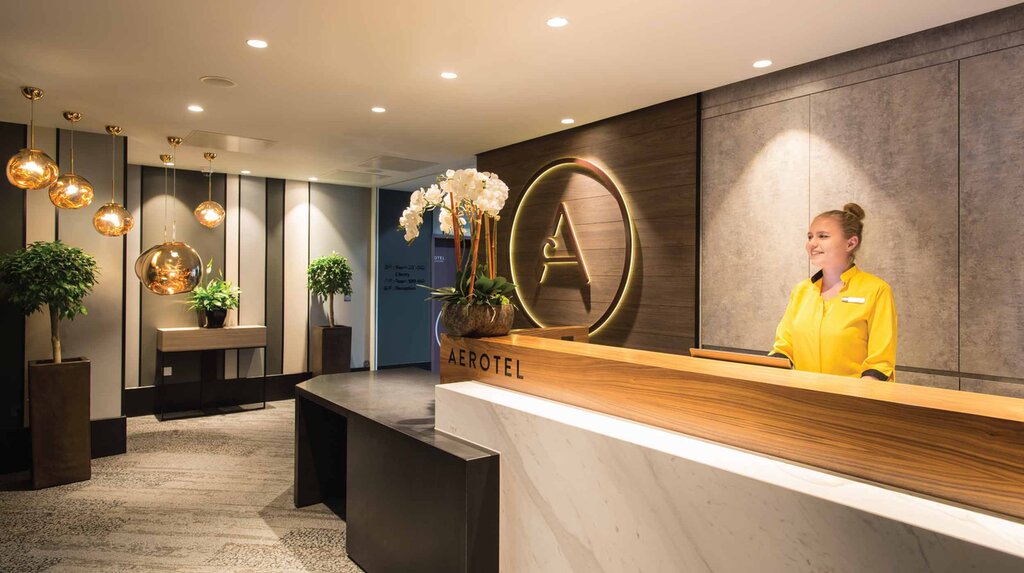




Aerotel has now grown to 11 major airports worldwide. Credit: Aerotel
What this points to is a shift from premiumisation to personalisation. Passengers will increasingly be able to tailor their journey by paying for the services they value most – whether that’s priority access or spa facilities. “It will become more seamless and personalised, where you’ll be able to have much more control over what you pay for, both at the airport and on board,” says Basu.
At the same time, the meaning of premium is becoming more stratified. Alongside expanded premium offerings, some airports are investing in private terminals and facilities that cater to the very top end of the market. “There’s premiumisation, and then there’s also ultra-premium as well…a few airports are investing in more private terminals, which is kind of the level above,” Basu notes.
Together, these trends point to a future where airport experiences are not defined by a single model of premium, but by a spectrum of choice, allowing airports to remain relevant to both established luxury travellers and emerging demographics.
